Data Matching Software for Accurate,
Unified, and Duplicate-Free Data
Data matching is the process of identifying and linking records that refer to the same entity across multiple datasets — even when the information isn’t identical. Match Data Pro’s data matching software makes this process fast, accurate, and fully configurable. It combines fuzzy matching and exact matching techniques to uncover duplicates, align related records, and unify data from different sources with exceptional precision.
Traditional matching tools struggle when names are misspelled, formats vary, or values are incomplete. Match Data Pro solves that with AI-ready fuzzy logic, configurable thresholds, and customizable matching definitions. Whether you’re merging CRM exports, integrating databases, or reconciling contact lists, the platform automatically detects near-matches using proven algorithms like Jaro-Winkler and similarity scoring.
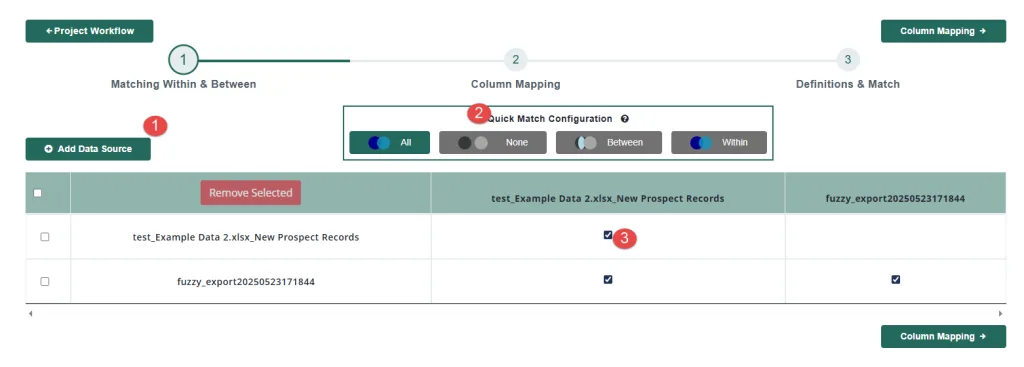
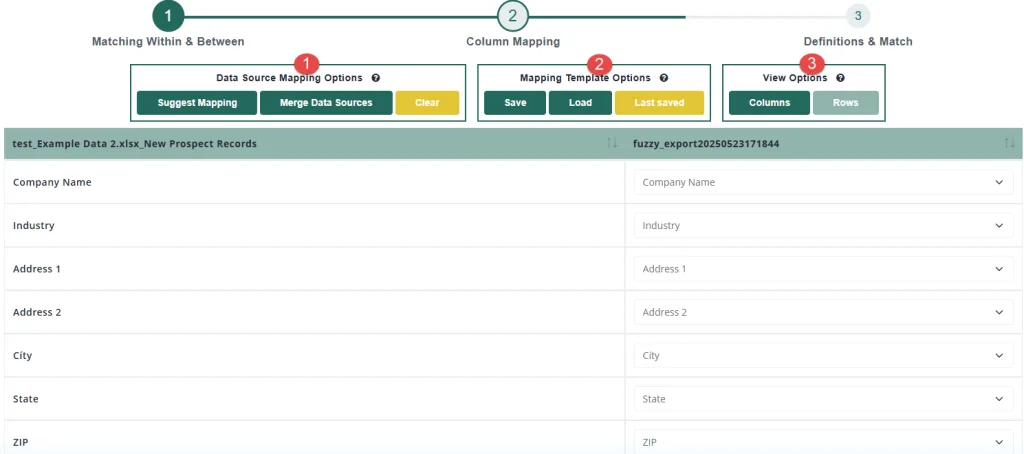
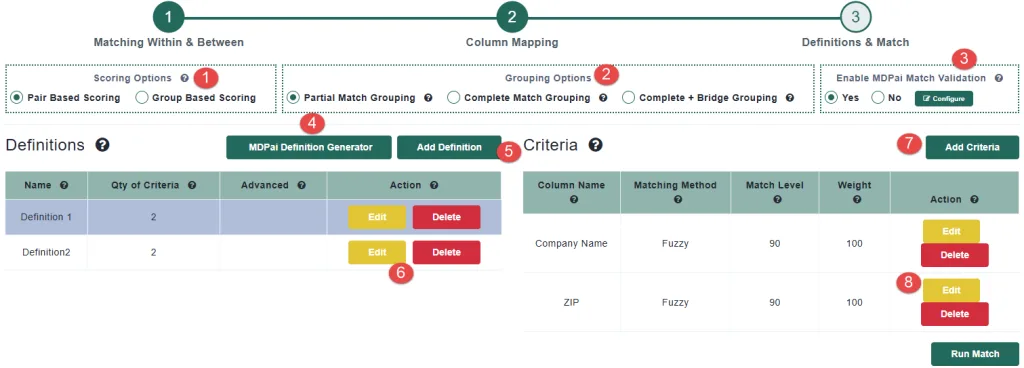
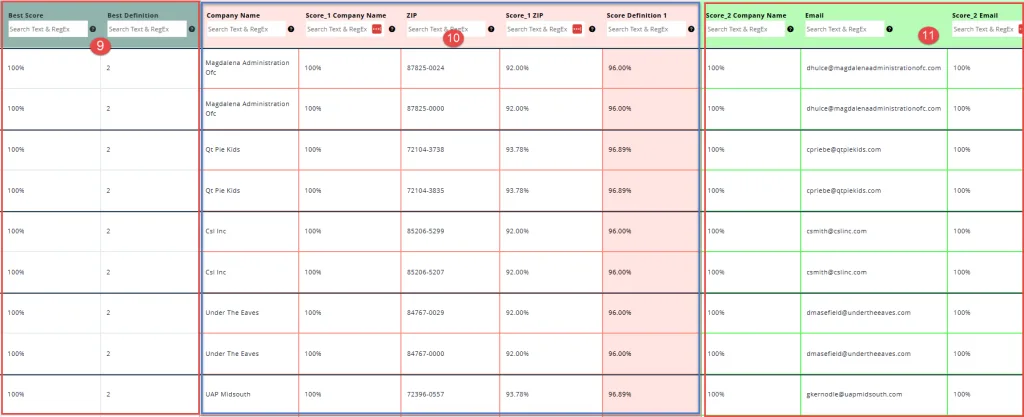
Key Benefits
✅ Fuzzy + Exact Matching in One Tool
Detect duplicates and near-matches automatically using configurable thresholds and similarity scoring.
✅ Built-In Profiling and Cleansing
Standardize data formats and fix inconsistencies before matching for better accuracy.
✅ Enterprise-Ready Performance and Control
Process millions of records per run, preview results, and maintain full audit transparency.
Each project begins with a built-in data profiling step that reveals inconsistencies before matching starts. The result is a unified, duplicate-free dataset that improves analytics, marketing segmentation, and reporting. Match Data Pro supports cloud and on-premise deployments, providing full control, speed, and transparency in every match process.
Regístrate ahora
Start using the software right away. Credit Card not required
Acceso instantáneo
Kick the tires with 1 click
Have questions? We have answers!
Datos de partidos Pro
Reviews & Product Details
En G2.com
“Complex Fuzzy Data Matching Resolved”
Director de Tecnología para Mercado Medio (51-1000 empleados)
¿Qué es lo que más te gusta de Match Data Pro?
El proceso paso a paso que guía al usuario a través del proceso de emparejamiento. El proceso sigue un patrón lógico para que el resultado final sea correcto. El emparejamiento de datos difusos es complejo y presenta múltiples permutaciones, pero Match Data Pro ha podido adaptarse a la complejidad de mis conjuntos de datos. Al ser un producto SaaS y local, dispongo de opciones según el usuario y el conjunto de datos. El equipo fue muy servicial durante la incorporación y la formación.
¿Qué problemas resuelve Match Data Pro y cómo le beneficia?
Emparejamiento de múltiples conjuntos de datos de manera oportuna y confiable.
What is data matching?
How does fuzzy matching improve data accuracy?
Why is data matching important?
Is data matching secure with Match Data Pro?
Can I customize my match rules?